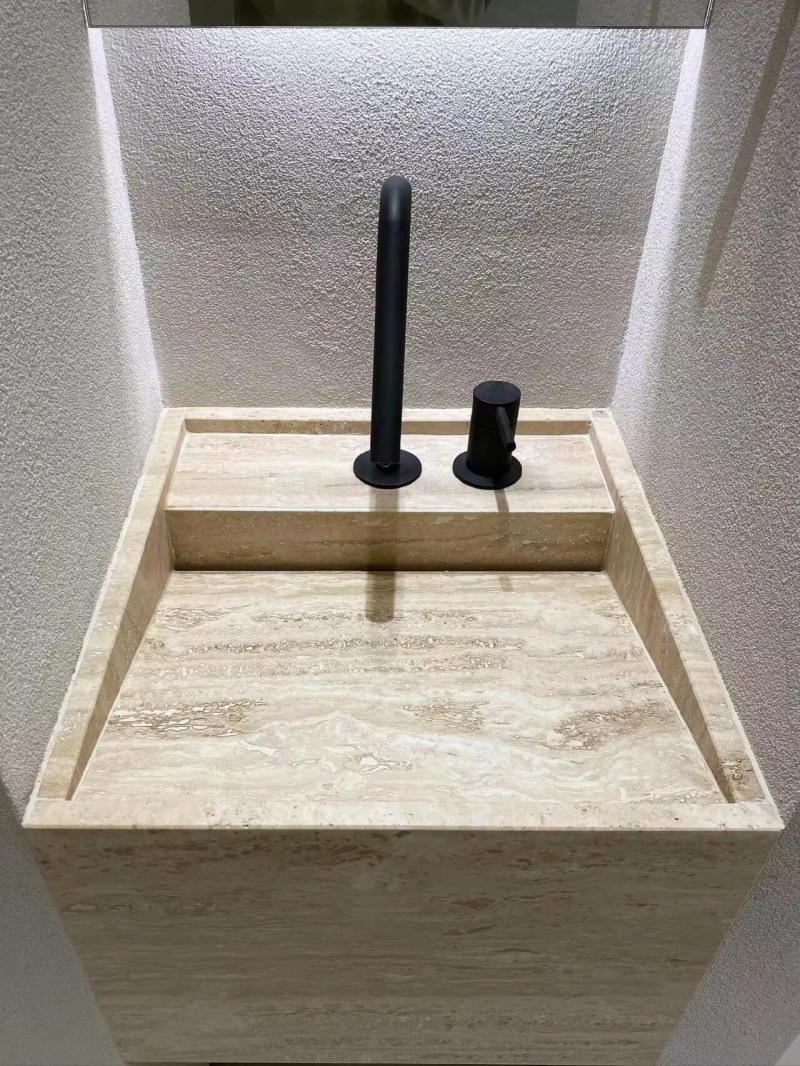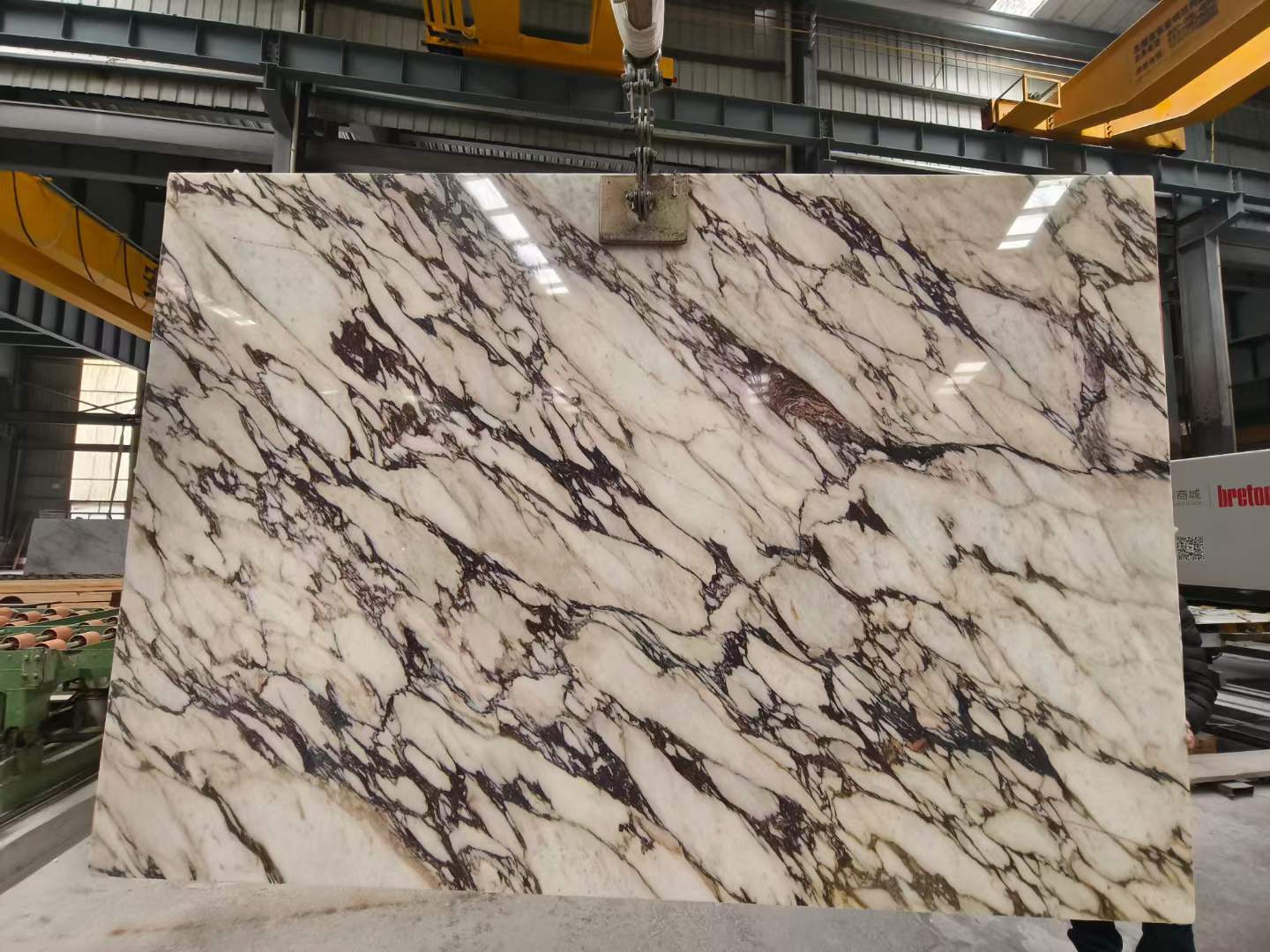


Travertine, a natural stone with its unique texture and feel, has been favored in interior design in recent years and has become a well-deserved “Internet celebrity” material. From luxury villas to Internet celebrity stores, travertine is everywhere. However, the popularity of travertine has also raised a series of questions: What is its charm? What are its advantages and disadvantages? In the face of growing demand, is there a perfect alternative material?
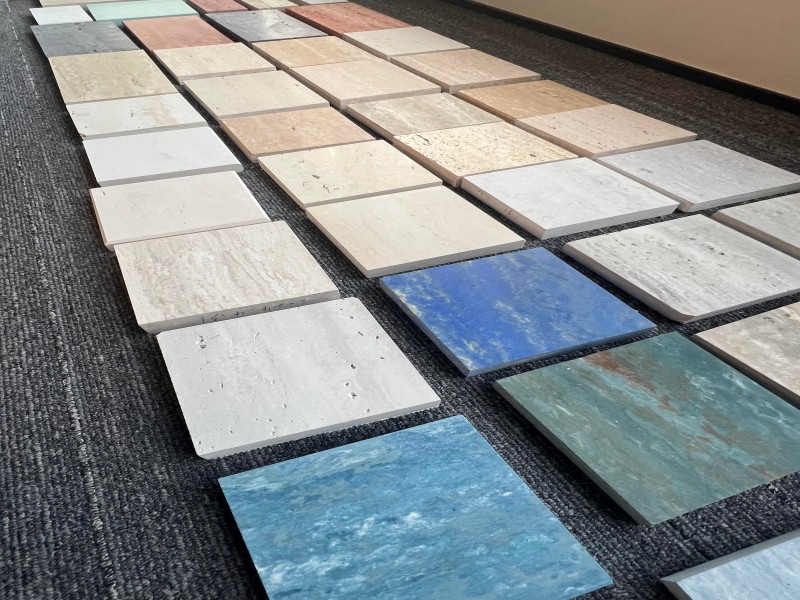
travertine tile
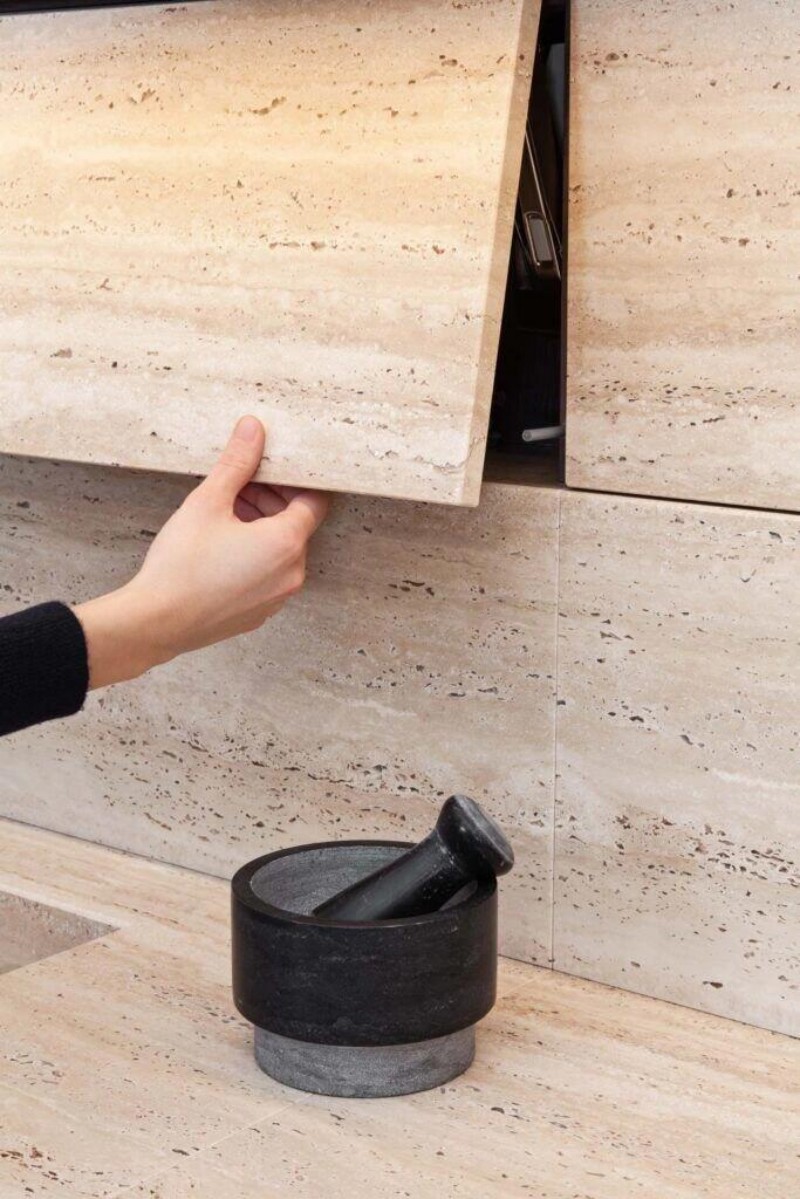
Travertine is formed by volcanic activity. After millions of years of geological changes, it has formed a unique texture and hole structure. Each piece of travertine is a masterpiece of nature. Its texture is like flowing clouds and water, or like mountains, giving the space a unique artistic atmosphere and natural texture.
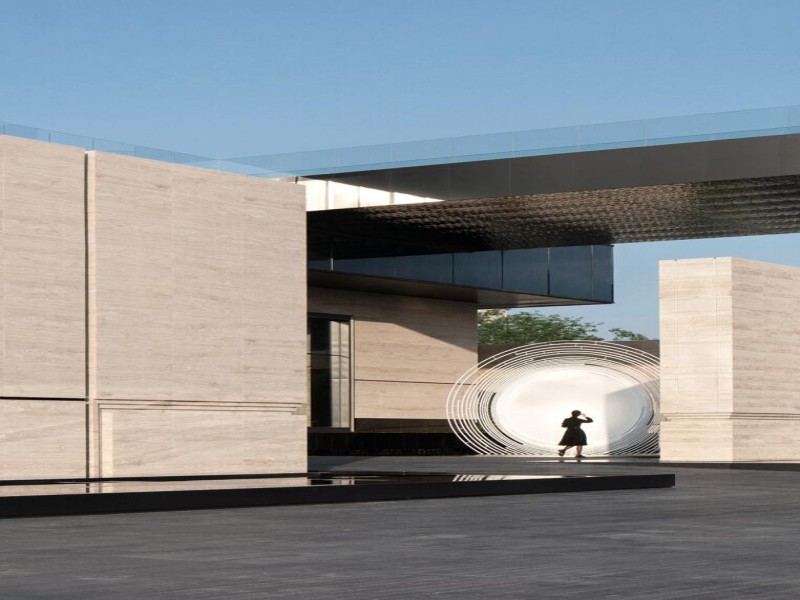
Travertine has a delicate texture, a matte effect on the surface, and a warm and comfortable touch, which can create a warm and comfortable space atmosphere. Travertine texture is natural and simple, with strong plasticity, and can be perfectly integrated with modern simplicity, wabi-sabi style, new Chinese style and other styles. Whether it is wall, floor, countertop, or decoration, travertine can show unique charm. Travertine, as a natural stone, has been widely used in architecture and sculpture since ancient times, carrying a long history and cultural connotation. The use of travertine can not only enhance the texture of the space, but also highlight the owner’s taste and style.
Travertine can be customized with different finishes, such as polished, honed, or tumbled, each offering a distinct look and feel. A polished finish gives it a shiny, sophisticated appearance, while a honed or tumbled finish provides a more rustic, matte look. This variety ensures that travertine can match any design vision, whether you’re aiming for modern, classic, or rustic.