


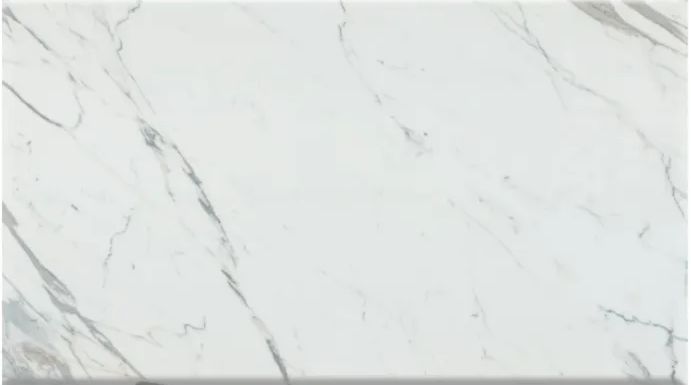
Quartzite is a natural metamorphic stone formed when pure sandstone undergoes intense heat and pressure, transforming its texture and structure into an extremely hard and dense stone. Unlike marble, which is more porous and softer, quartzite is renowned for its superior durability, scratch resistance, and long-term performance in high-traffic residential and commercial areas.
According to the Natural Stone Institute (NSI), quartzite’s hardness and low porosity make it one of the most durable natural stones suitable for both indoor and outdoor applications, including kitchen countertops, bathroom vanities, and architectural wall cladding.
Quartzite is increasingly popular in luxury residential kitchens, bathrooms, high-traffic commercial spaces, and hotel lobbies, offering designers and architects a material that combines aesthetics, strength, and practicality.
In this guide, we explore the properties, colors, applications, and design considerations of quartzite, helping architects, designers, and stone buyers make informed choices while also showcasing FAVAN STONE’s premium quartzite offerings.
Architectural designer Sophia Martinez notes: “Quartzite combines the elegance of marble with the strength of granite, making it my top choice for luxury residential kitchens and high-traffic hotel lobbies.”
By combining strength, beauty, and durability, quartzite provides a versatile solution for countertops, flooring, walls, and statement architectural features in both residential and commercial settings.
Quartzite also comes in other shades, from soft beige to deep gray, offering endless design possibilities. Its natural veining and color variation make it a premium choice for design-conscious projects, giving spaces a sense of luxury, sophistication, and exclusivity.
As reported by The Stone Federation UK, exotic quartzite colors such as green and blue are increasingly popular in contemporary architecture, commercial spaces, and luxury residential projects, highlighting both aesthetic appeal and durability.
| Feature | Quartzite | Marble | Granite |
|---|---|---|---|
| Hardness | 7–8 Mohs | 3–4 Mohs | 6–7 Mohs |
| Porosity | Low | Medium–High | Low |
| Scratch Resistance | Excellent | Moderate | Good |
| Heat Resistance | High | Moderate | High |
| Appearance | Natural veining, vibrant | Soft veining, classic | Granular, speckled |
| Best Use | Countertops, floors, walls, high-traffic areas | Decorative, low-traffic | Countertops, floors |
Research published in the Journal of Building Materials confirms that quartzite’s mineral composition provides superior hardness and water resistance compared with typical marble, supporting its long-term performance in high-traffic residential and commercial areas.
FAVAN STONE offers a wide range of premium quartzite varieties, including Patagonia Green Quartzite, Blue Roma Quartzite, and Macaubas Fantasy Quartzite, each suitable for high-end residential kitchens, bathroom vanities, commercial flooring, hotel lobbies, and architectural wall cladding.
As a trusted provider of quartzite slabs and engineering solutions, FAVAN STONE ensures access to durable, visually striking materials that meet the demands of both luxury residential projects and high-traffic commercial spaces. While our international project portfolio is growing, these quartzite varieties are widely recognized in the industry for their hardness, low porosity, and elegant veining, making them ideal for countertops, floors, walls, and statement architectural features.
According to interior architect David Li, quartzite’s combination of visual elegance and structural integrity makes it a preferred choice for hotel lobbies, reception areas, and high-traffic commercial projects.
Q1: Is quartzite better than granite?
A1: Quartzite offers similar durability to granite but provides a more luxurious, marble-like appearance, making it ideal for high-end kitchens, hotel lobbies, and commercial flooring.
Q2: Does quartzite stain easily?
A2: Quartzite has low porosity, so it is resistant to stains. Sealing further enhances protection against liquids and oils.
Q3: Can quartzite be used for kitchen countertops?
A3: Yes, quartzite is highly suitable due to its scratch resistance, heat tolerance, and durability, making it perfect for luxury residential kitchens and commercial kitchens.
Q4: How does quartzite compare to marble in appearance?
A4: Quartzite often mimics marble’s elegant veining and luxurious look but is harder and more durable, making it more practical for high-traffic residential and commercial areas.
Q5: What maintenance does quartzite require?
A5: Quartzite requires minimal maintenance. Periodic sealing and using neutral pH cleaners are recommended to maintain its appearance, durability, and stain resistance.
Q6: What is the best quartzite for outdoor countertops?
A6: Low-porosity, durable varieties like Patagonia Green or Macaubas Fantasy Quartzite withstand weather, heavy use, and are ideal for outdoor kitchens, terraces, and commercial facades.
Q7: How to maintain exotic quartzite slabs in commercial spaces?
A7: Regular cleaning with neutral pH detergents, periodic sealing, and avoiding abrasive materials will ensure durability, longevity, and visual appeal in high-traffic commercial areas.