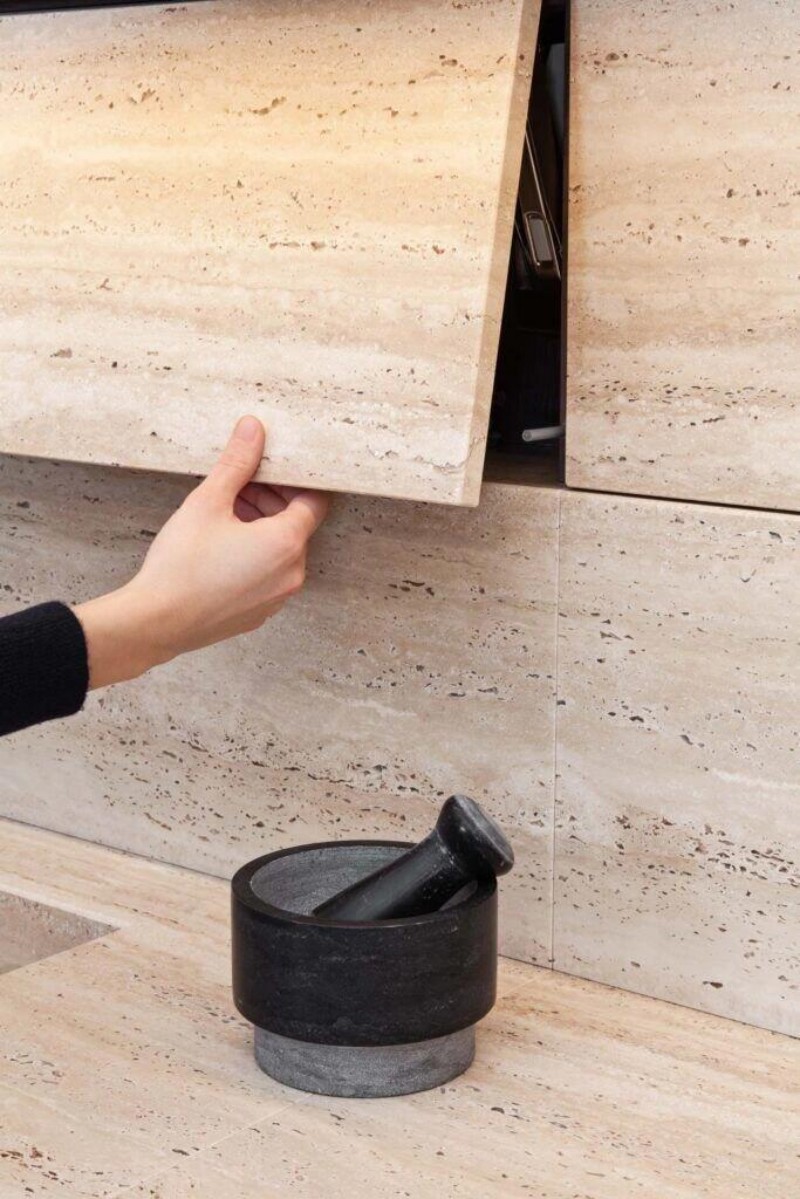


As a natural stone, travertine is deeply loved by designers and consumers for its unique texture and feel. However, the natural characteristic of travertine – voids – has also caused a lot of trouble for users. When buying travertine, sealing the holes is an important link that cannot be ignored. Whether the holes are sealed or not not only affects the beauty of the travertine, but is also directly related to its durability and the difficulty of later maintenance. This article will discuss in detail the sealing methods and their advantages and disadvantages of travertine holes to help you make a wise decision when choosing.

Seal the holes or not? The natural voids of travertine are part of its unique beauty, but they also bring problems such as cleaning and durability. Sealing the holes can effectively solve these problems, but it will also change the natural texture of travertine to a certain extent. Therefore, whether to seal the holes or not needs to be decided according to the specific usage scenario and personal preference.
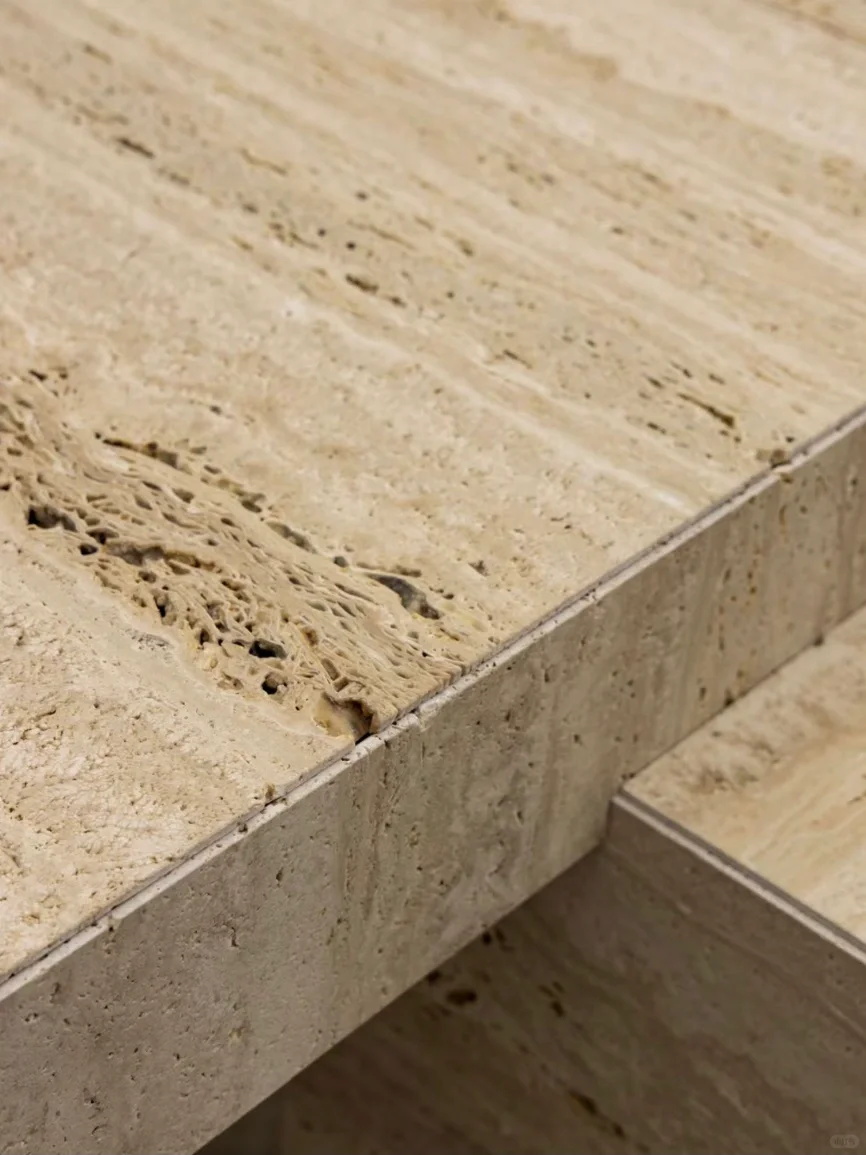
1. Reasons for sealing the holes
2. Considerations for not sealing holes
Hole sealing treatment methods and advantages and disadvantages
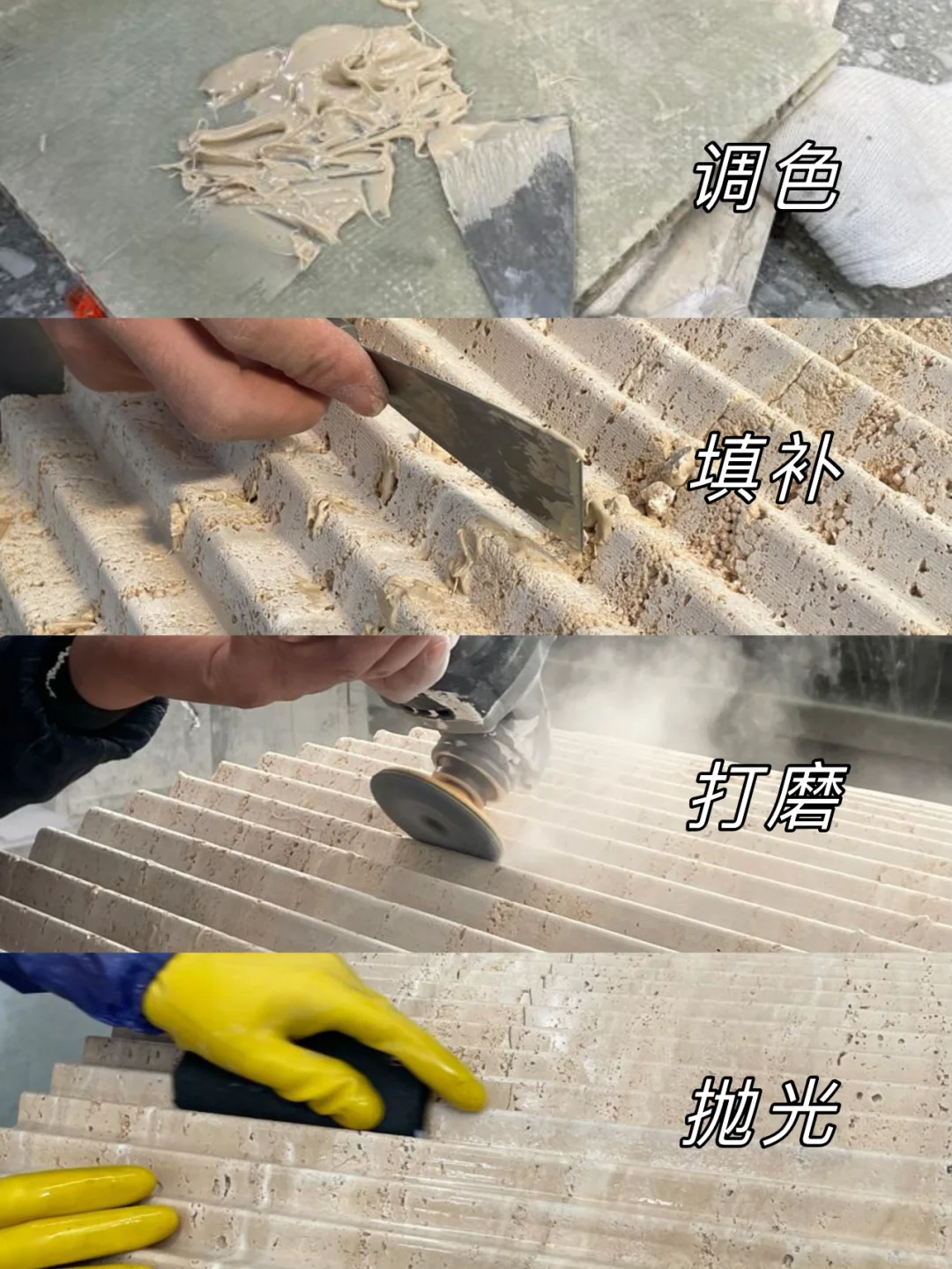
1. Sealing the holes with resin glue
2. Full glazing (material: epoxy resin)
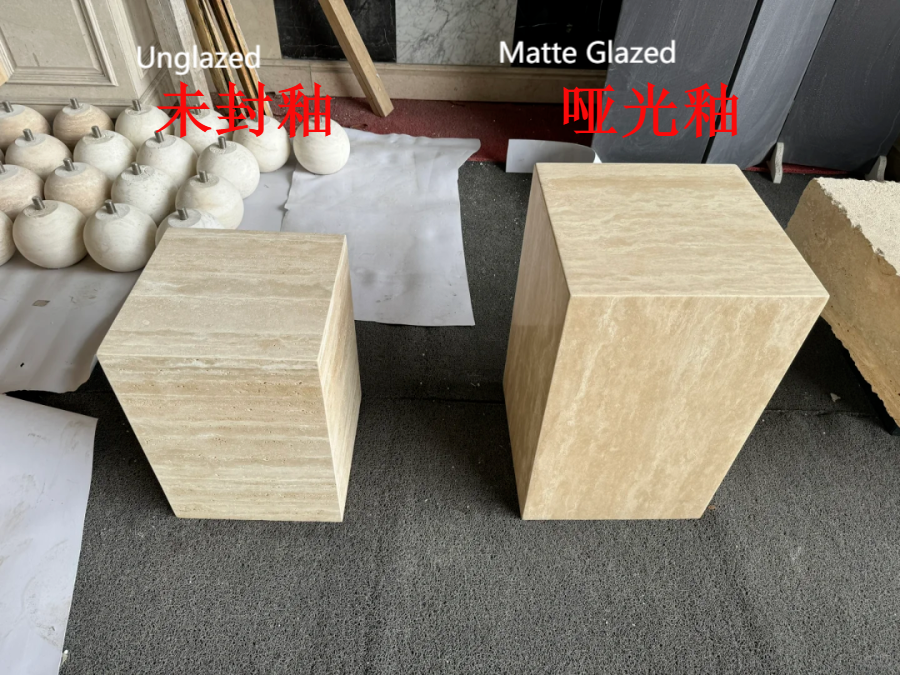
3. Stone protective waterproof adhesive.
Stone protective waterpoof adhesive can play a certain role in water seepage and oil resistance, and is suitable for surface protection of travertine. It can be used in combination with hole sealing to enhance the protective effect. Disadvantages: Stone protective agent cannot completely seal the holes but can only play a surface protection role. After long-term use, the protective agent may gradually become ineffective and need to be reapplied.
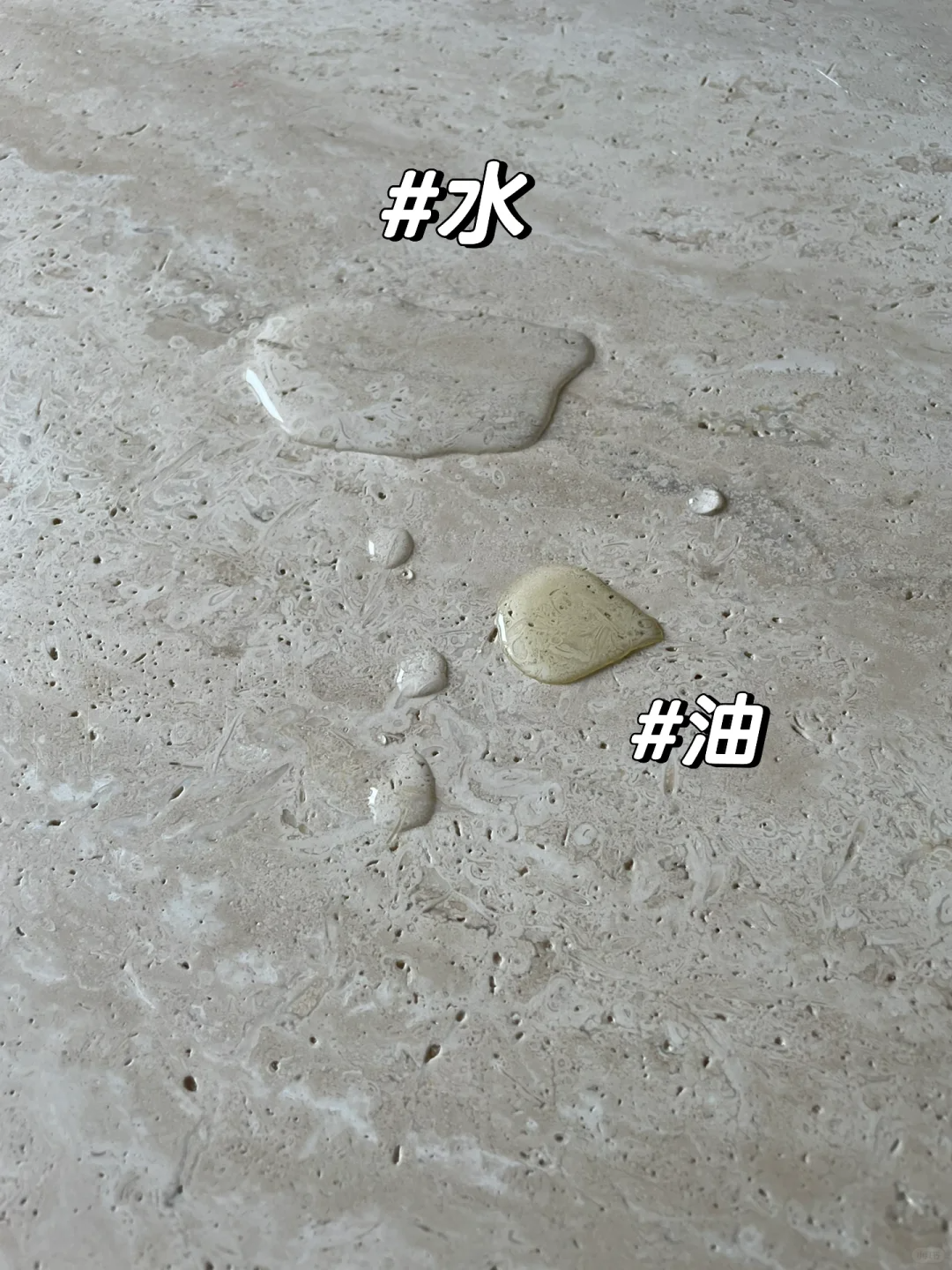
Summary
Different hole sealing methods have their own advantages and disadvantages. When choosing, you need to decide according to actual needs and usage scenarios. The following is the ranking of the sealing degree of several hole sealing methods:
Glaze sealing > Hole sealing glue > Stone protective agent
Glaze sealing: The best sealing effect, suitable for scenes with high requirements for aesthetics and durability.
Hole sealing glue: Suitable for local hole sealing, but pay attention to the problem of yellowing in the later stage.
Stone protective agent: Suitable as an auxiliary protection method, but cannot completely replace hole sealing.
Regardless of which hole sealing method is chosen, the natural characteristics of travertine determine that it requires more maintenance and care. I hope this article can help you make a wise choice in the sealing treatment of travertine, which can not only preserve the natural beauty of travertine but also improve its practicality.