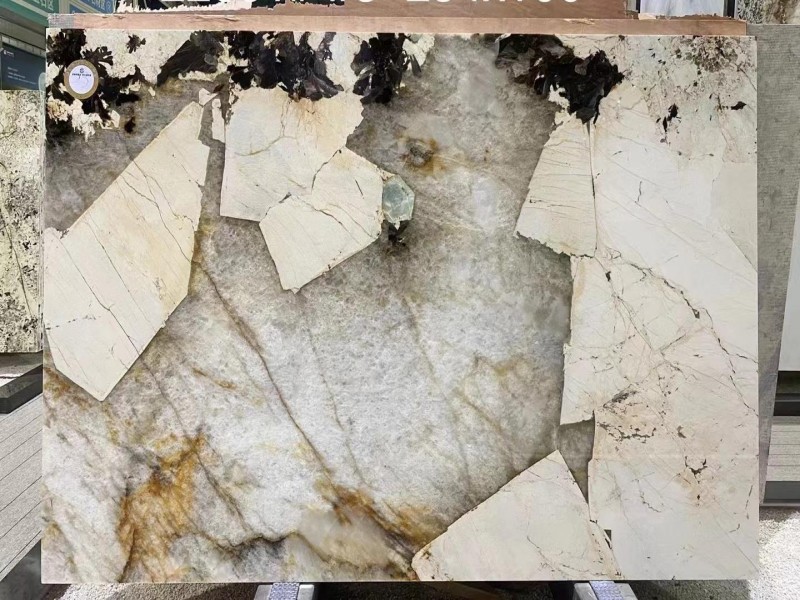
Quick Summary: Quartzite vs Marble vs Granite are three of the most widely used natural stones in architecture and interior design. Each material offers unique characteristics in terms of durability, appearance, and maintenance requirements. Quartzite is known for its exceptional hardness and marble-like beauty, marble is prized for its luxurious veining and classic elegance, while granite is valued for its durability and versatility. FAVAN STONE provides premium natural stones for luxury residential, commercial, and hospitality projects worldwide. Understanding the differences between these stones helps architects, designers, and builders choose the most suitable material for kitchen countertops, flooring, wall cladding, and large commercial projects.
Quartzite vs Marble vs Granite: Which Stone Is Best for Your Project?
When choosing natural stone for architectural or interior projects, quartzite vs marble vs granite is one of the most common comparisons among architects, designers, and homeowners. These three materials may appear similar at first glance, yet their geological formation, physical properties, and practical applications differ significantly.
Selecting the right stone is not only about aesthetics. Durability, maintenance requirements, and long-term performance must also be considered, especially in high-traffic commercial environments or luxury residential projects.
Understanding the differences between quartzite, marble, and granite helps architects, builders, and project owners make informed decisions about which material will perform best in their specific environment.
What Is Quartzite?
Quartzite is a natural metamorphic stone formed when sandstone is subjected to intense heat and pressure deep within the earth’s crust. During this transformation process, the quartz grains fuse together, creating an extremely dense and durable material.
Material characteristics
- Composition: predominantly quartz minerals
- Hardness: approximately 7 on the Mohs scale
- Texture: crystalline structure with natural flowing veins
- Durability: excellent resistance to scratches and heat
Typical applications
- Kitchen countertops
- Luxury residential flooring
- Bathroom vanities
- Feature walls and wall cladding
- Hotel reception desks
Quartzite often resembles marble in appearance due to its elegant veining patterns, yet its hardness and strength are closer to granite. This combination of beauty and durability makes quartzite one of the most desirable natural stones in modern architectural design. FAVAN STONE quartzite slabs are increasingly used in hotel lobbies and luxury commercial spaces.
What Is Marble?
Marble is a metamorphic rock primarily composed of calcite, formed when limestone undergoes high temperature and pressure over long geological periods.
Material characteristics
- Composition: calcite minerals
- Hardness: around 3–4 on the Mohs scale
- Texture: smooth surface with elegant natural veining
- Appearance: classic, luxurious aesthetic
Typical applications
- Hotel lobbies
- Luxury residential flooring
- Bathroom vanities
- Interior wall cladding
- Decorative architectural elements
What Is Granite?
Granite is an igneous rock formed when molten magma cools slowly beneath the earth’s surface. Its mineral composition typically includes quartz, feldspar, and mica, which create a dense and durable natural stone widely used in architecture and construction.
Material characteristics
- Composition: quartz, feldspar, and mica minerals
- Hardness: around 6–7 on the Mohs scale
- Texture: crystalline mineral structure, ranging from classic granular patterns to flowing veins in certain varieties
- Durability: excellent resistance to scratches and heat
Typical applications
- Kitchen countertops
- Outdoor paving
- Commercial flooring
- Building facades
Quartzite vs Marble: Key Differences
| Feature |
Quartzite |
Marble |
| Hardness |
Very high |
Medium |
| Scratch resistance |
Excellent |
Moderate |
| Heat resistance |
Excellent |
Moderate |
| Appearance |
Marble-like veining |
Soft flowing veins |
| Maintenance |
Low to moderate |
Moderate to high |
Quartzite vs Granite
| Feature |
Quartzite |
Granite |
| Appearance |
Elegant flowing veins |
Granular or vein-like mineral patterns |
| Hardness |
Extremely high |
High |
| Heat resistance |
Excellent |
Excellent |
| Style |
Luxury architectural projects |
Versatile and practical |
Marble vs Granite
| Feature |
Marble |
Granite |
| Appearance |
Classic natural veining |
Speckled or crystalline patterns |
| Hardness |
Softer |
Harder |
| Maintenance |
Requires sealing |
Lower maintenance |
| Application |
Decorative interiors |
Heavy-use environments |
Key Differences at a Glance
| Stone |
Best For |
| Quartzite |
Durable luxury surfaces, kitchen countertops, hotel projects |
| Marble |
Elegant interiors, bathrooms, feature walls |
| Granite |
Heavy-use applications, commercial flooring, outdoor paving |
Maintenance Considerations
- Quartzite – periodic sealing recommended; highly resistant to scratches and heat
- Marble – requires regular sealing; sensitive to acidic substances
- Granite – generally low maintenance; occasional sealing improves stain resistance
Stone Maintenance & Parameters Table
| Stone |
Recommended Sealing Frequency |
Water Absorption |
Compressive Strength |
Typical Thickness |
Cost Consideration |
| Quartzite |
Every 1–2 years |
0.1–0.3% |
120–150 MPa |
2–3 cm slab |
Mid–High |
| Marble |
Every 6–12 months |
0.5–1% |
70–100 MPa |
2–3 cm slab |
High (due to maintenance) |
| Granite |
Every 1–3 years |
0.1–0.4% |
130–200 MPa |
2–3 cm slab |
Mid |
Practical Takeaway
Expert Commentary & Analysis: Choosing between quartzite, marble, and granite depends on the balance between aesthetics, durability, and maintenance requirements. Quartzite is ideal for projects requiring strength and elegant natural patterns. Marble is best for luxurious interior spaces. Granite offers reliable durability for residential and commercial use. Architects and designers can rely on FAVAN STONE for high-quality quartzite, marble, and granite slabs. For project inquiries, sample slabs, or customized stone specifications, contact FAVAN STONE to discuss your design requirements.
FAQ
- Is quartzite better than marble for countertops? Quartzite is generally more durable than marble and provides better resistance to scratches and heat, making it a practical choice for kitchen countertops.
- Is quartzite more expensive than granite? Quartzite can sometimes be more expensive than granite due to its distinctive natural patterns and growing demand in luxury architectural projects.
- Does marble stain easily? Marble is more porous than quartzite and granite, so it can stain if not properly sealed and maintained.
- Can quartzite be used outdoors? Yes. Quartzite is highly durable and weather resistant, making it suitable for exterior cladding, paving, and landscaping applications.
- Which stone lasts the longest? All three stones are extremely durable, but quartzite and granite generally perform better in high-traffic environments due to their higher hardness.
- Can I use quartzite, marble, and granite in the same project? Yes. Many designers combine quartzite countertops, marble flooring, and granite wall cladding to create luxurious interiors. Consult FAVAN STONE for guidance and sample slabs to ensure color and texture harmony.
- How do I choose the best stone for my commercial project? Consider durability, maintenance, and aesthetics. Quartzite vs marble vs granite tables help assess which stone fits your hotel, office, or residential project. Contact FAVAN STONE for project consultation and sample delivery.
- Where do your stones come from? Our natural stones are sourced globally: quartzite from Brazil and India, marble from Italy and Turkey, and granite from Brazil and India. Specifications and slab thickness can be customized to project requirements.